


/ / / / / / / / / / / /
layering guide
Riding through microclimates demands layers that can breathe on the move, especially in spring and summer when conditions can shift mid-ride. At Ornot, we think in three parts: a next-to-skin layer to manage moisture, a breathable midlayer for light insulation, and a lightweight outer layer for wind or fog. The goal is simple: start slightly cool, adjust with effort, and stay comfortable as the ride warms up.
/ / / / / / / / / / / /
ROAD
Built for sustained output and limited pocket space, road riders favor close-fitting layers that breathe well and pack small. As the weather warms, the system stays minimal and highly adjustable.
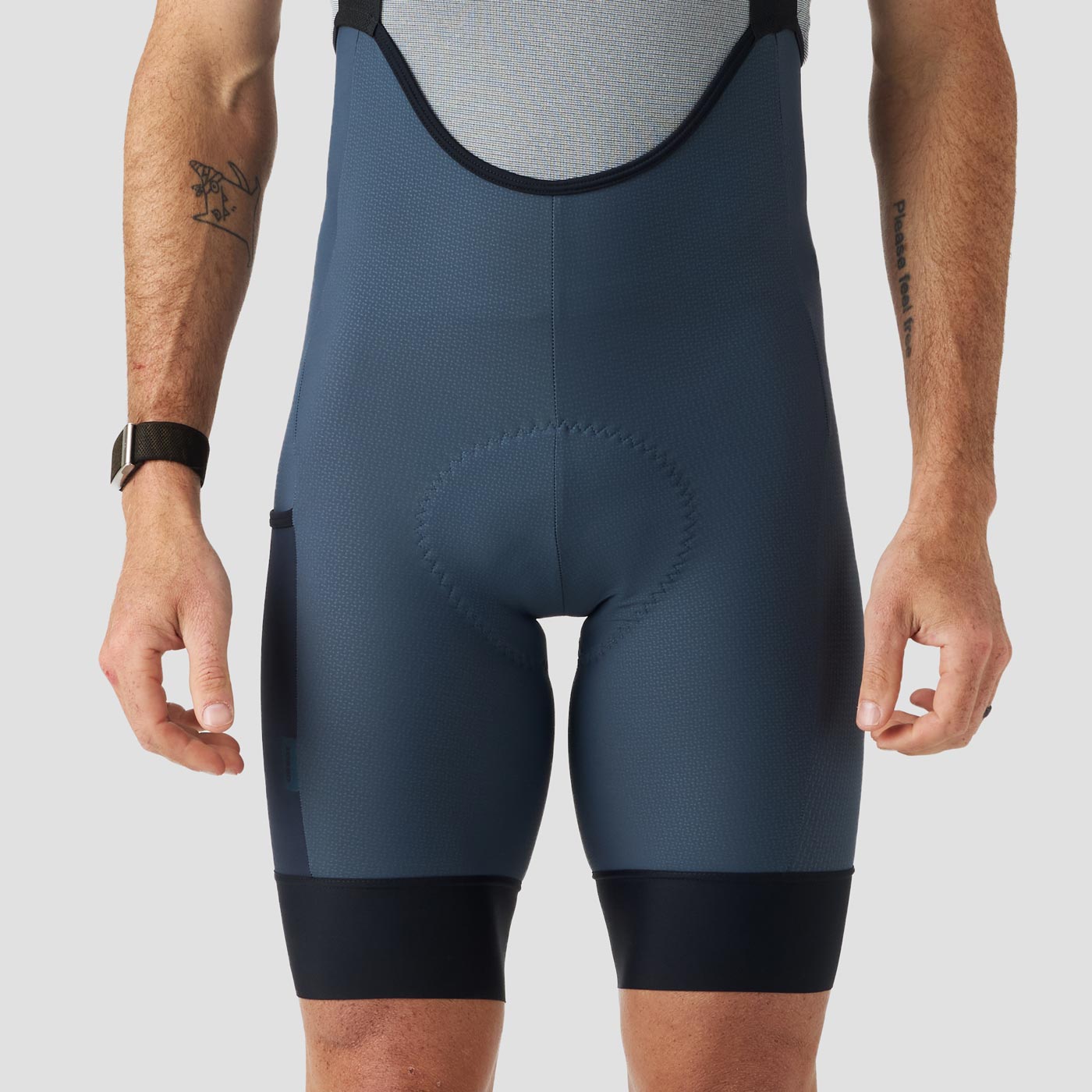
- Hot: bib shorts + lightweight performance jersey
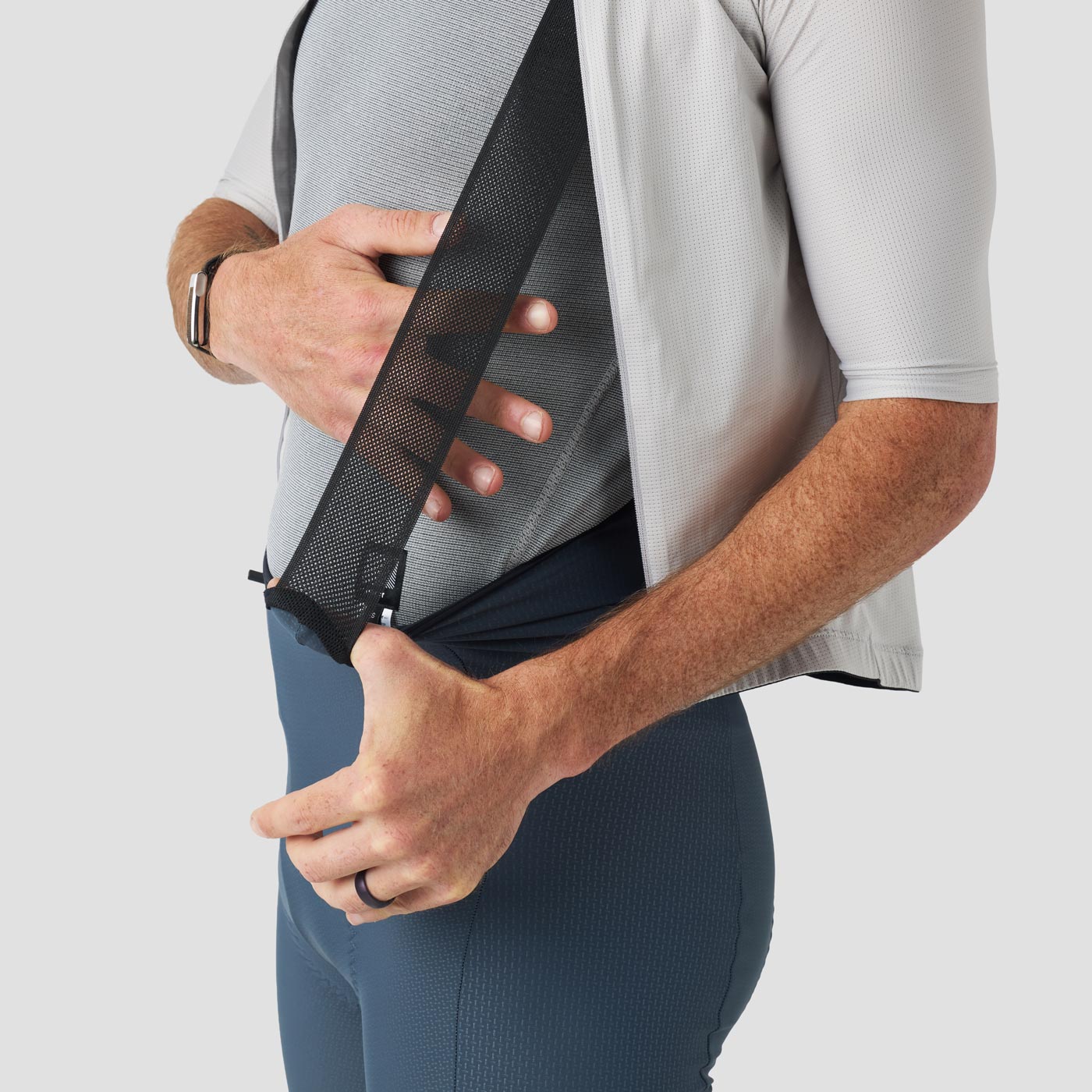
- Temperate: performance jersey with arm warmers or a packable vest
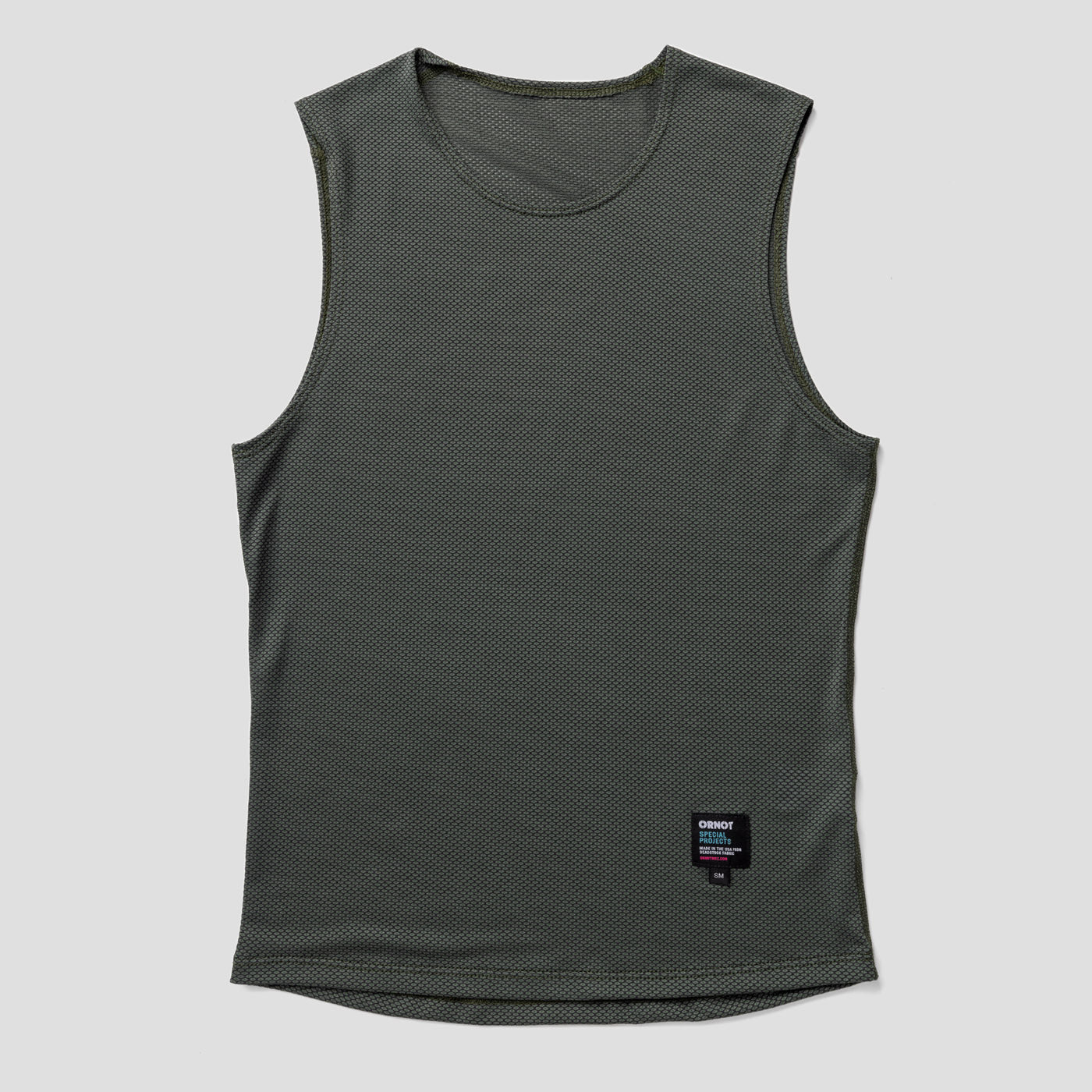
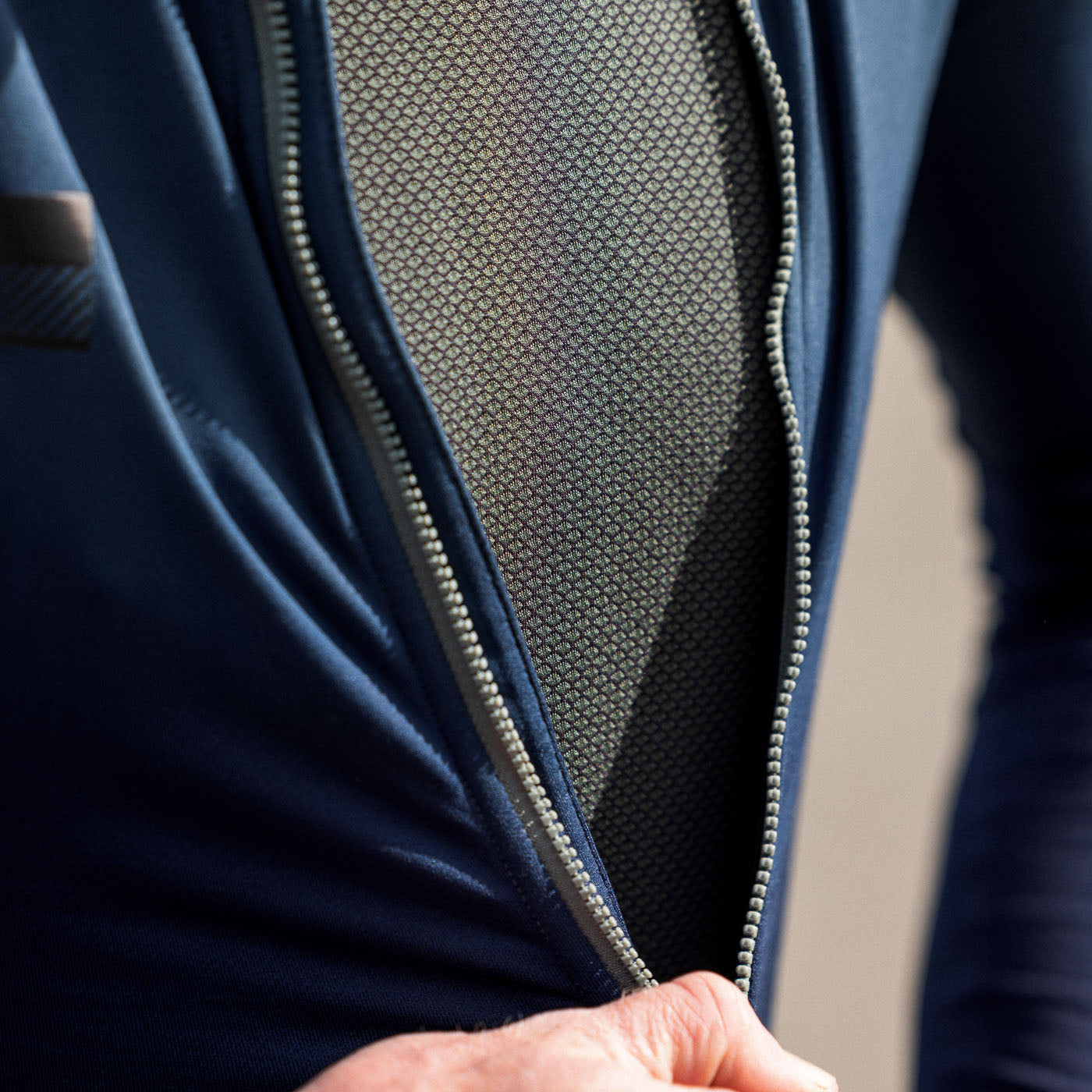
- Chilly mornings / descents: lightweight base layer + breathable thermal or grid jersey + packable shell





/ / / / / / / / / / / /
Gravel + Weekender
Longer days and mixed terrain call for versatile layers that can handle sun, wind, and variable pace. Spring and summer rides often mean carrying one extra layer for changing conditions.
- Hot: cargo or storage bottoms + breathable jersey or sun layer
- Temperate: long sleeve sun or grid jersey + packable vest or light jacket
- Cool starts: lightweight base layer + thermal midlayer + stashable shell




/ / / / / / / / / / / /
CASUAL + ALT
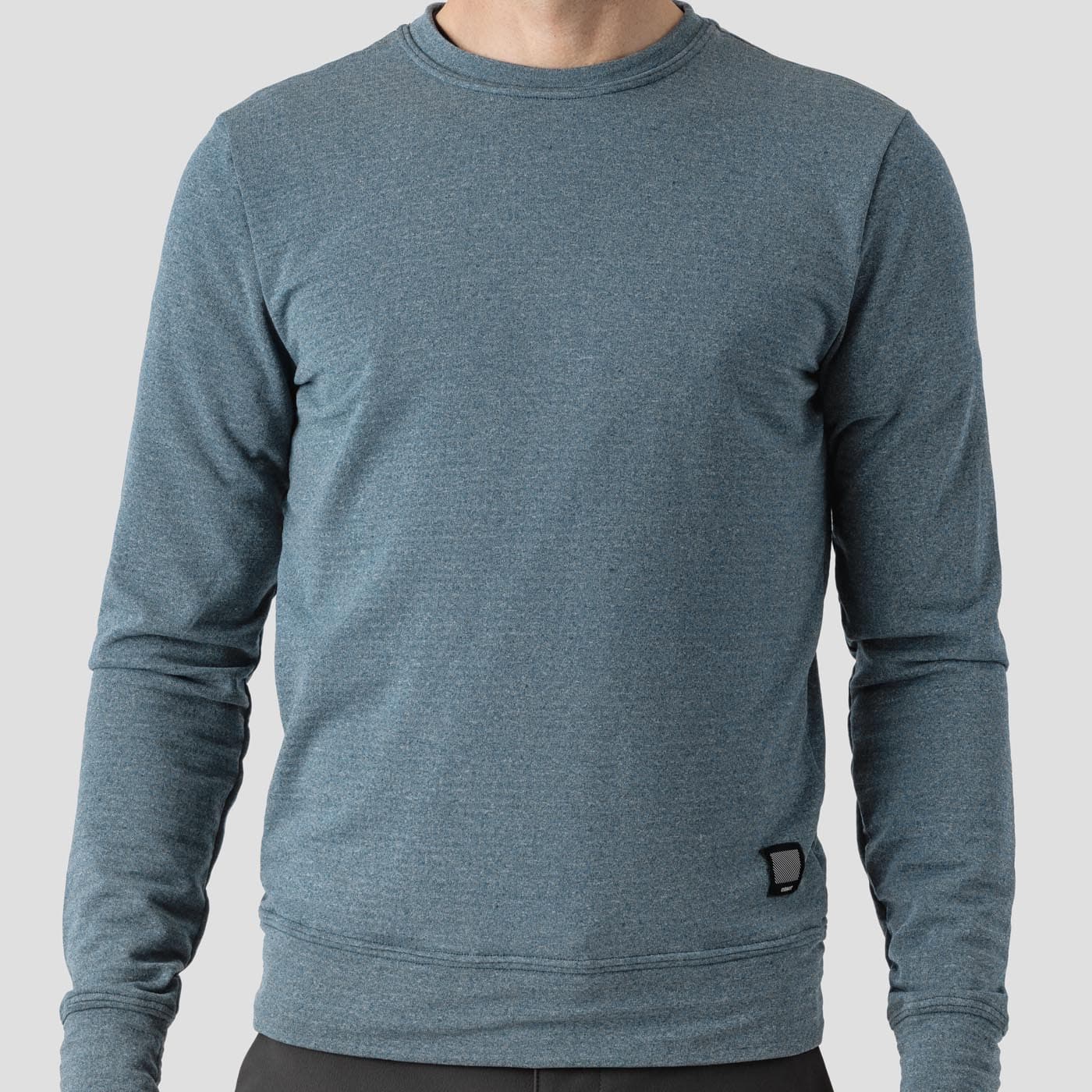
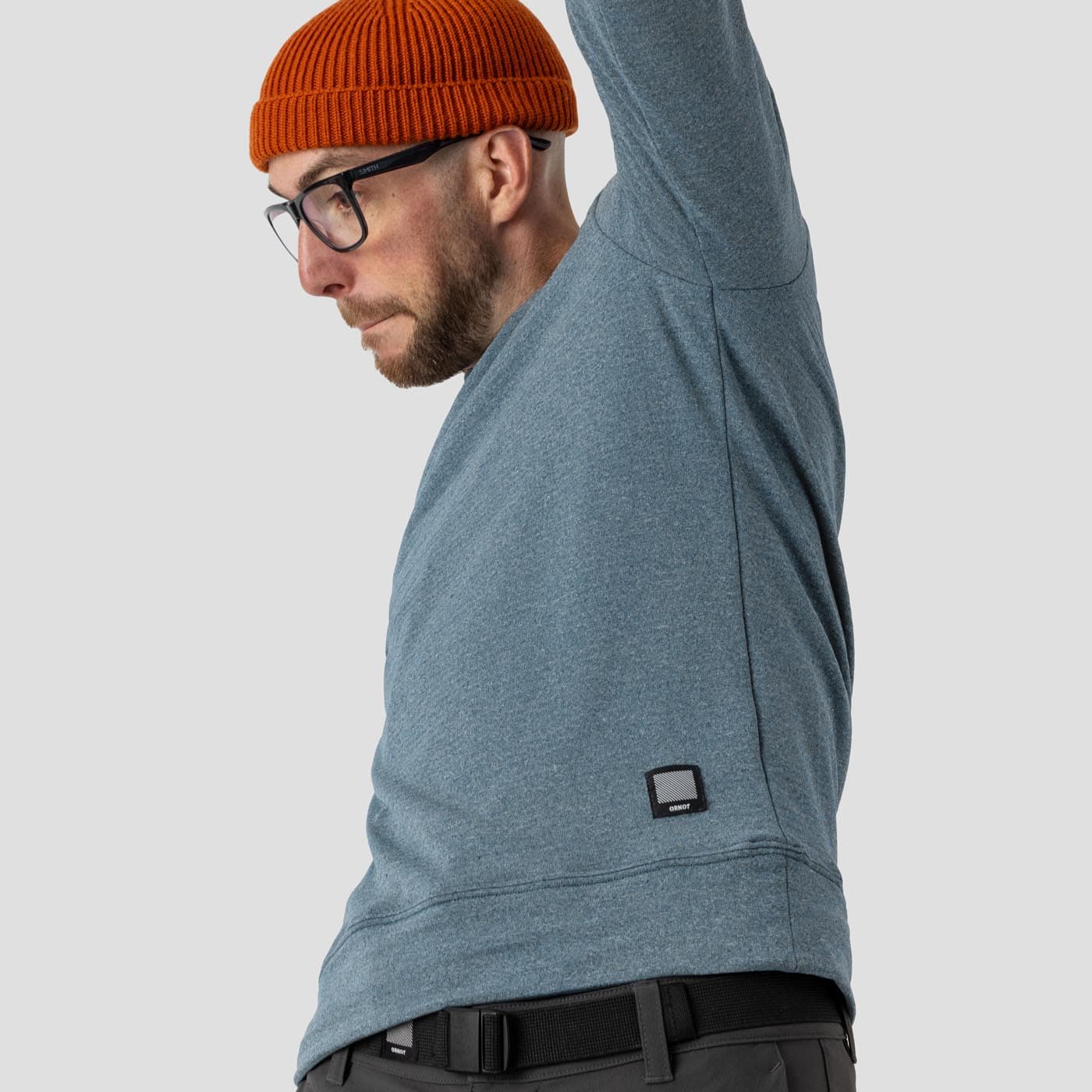
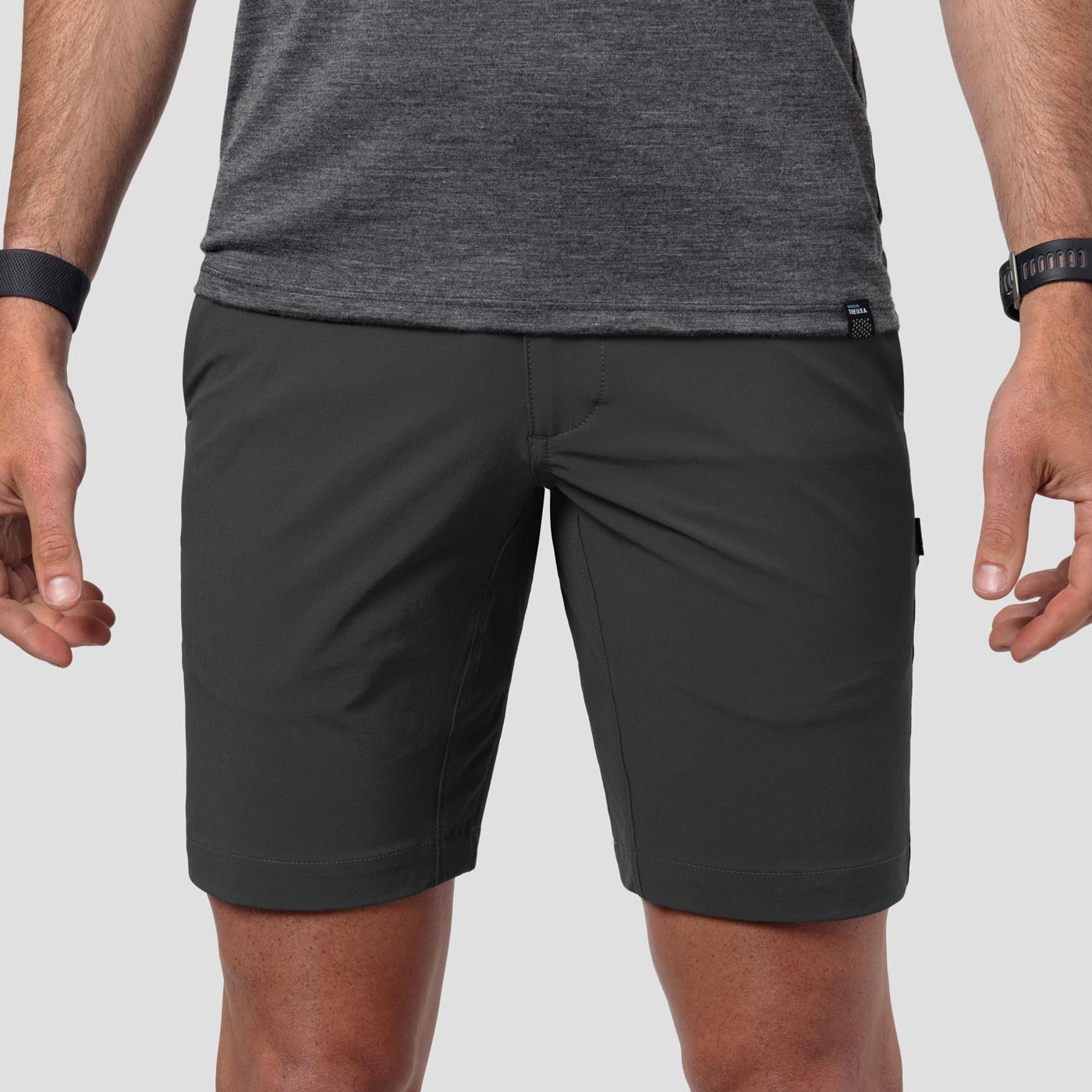
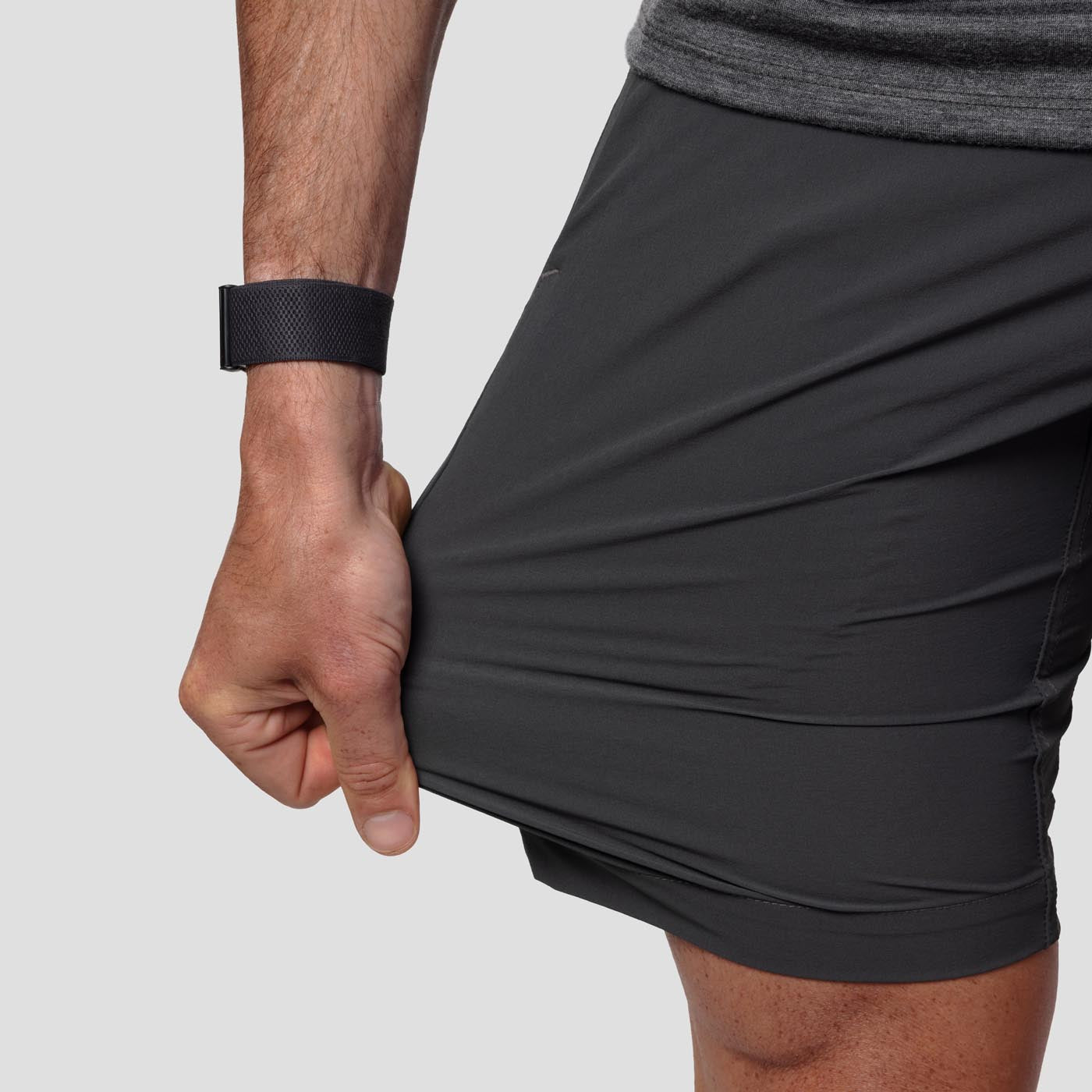
More crossover and less race-focused, this rider prioritizes comfort and everyday versatility. Systems stay relaxed but still benefit from smart layering, especially during cooler starts and foggy Bay mornings.
- Hot: merino tee or UV layer + mission shorts
- Temperate: casual long sleeve or tee + lightweight vest + mission shorts or pants
- Cool mornings: merino base or tee + light pullover + packable jacket or vest


MEN'S - BLACK
MEN'S MERINO RIDING SHIRT


MEN'S - STONE BLUE
MEN'S MERINO RIDING SHIRT


MEN'S - WATERCOLOR OLIVE
MICRO GRID TRAIL SHIRT


JACK FROM VERMONT
THE RIDER'S POV
I run warm and almost always prefer lighter layers next to skin with something packable on top. After four years riding year-round in Vermont, and now dealing with the Bay’s microclimates. I’ve learned that starting slightly cool works best. Most days I keep it simple: breathable layer next to skin, light insulation if needed, and a vest or shell I can stash mid-ride. It’s a system that works from foggy summer mornings to long spring climbs.
